Rewiring Your Mind Through Gratitude
Apr 21, 2026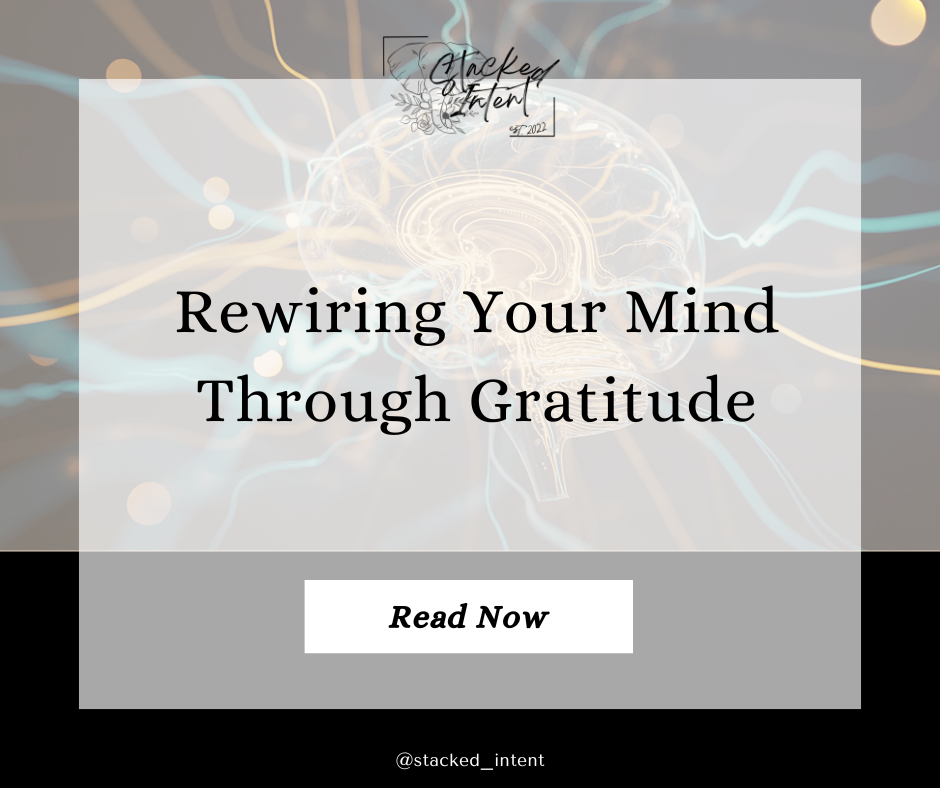
Gratitude is more than just a nice feeling, it is a powerful shift in how you experience life. At its core, gratitude is about recognizing the good around you and giving credit to the people, moments, or forces that contribute to it. Whether you are appreciating a friend, your own effort, nature, or something bigger than yourself, gratitude has a way of lifting your mood and changing your perspective almost instantly.
What makes gratitude even more interesting is what is happening behind the scenes in your brain. When you practice gratitude, your brain releases feel-good chemicals that boost your mood and create a sense of calm and contentment. At the same time, it activates areas of the brain linked to decision-making, emotional awareness, and motivation. In simple terms, gratitude helps you think clearer, feel better, and act with more intention.
It is not just about feeling good in the moment either. Gratitude actually helps retrain your brain over time. When you regularly focus on what is going well instead of what is missing, your mind starts to filter out negativity and lean toward more positive, balanced thinking. This makes it easier to manage stress, avoid getting stuck in negative thought loops, and stay grounded when life feels overwhelming.
Making gratitude part of everyday life is not about waiting for big, life-changing moments. It is about training yourself to notice the positive aspects that are already present. One effective way to do this is by building small moments of reflection into your daily routine. For example, at the end of the day, you might think about specific things others did that helped you, supported you, or improved your day. Practising this regularly helps shift your mindset so that gratitude becomes automatic, rather than something you experience only occasionally.
Gratitude can also become more meaningful when you actively use your imagination. Research shows that the way people experience emotions such as gratitude is partly linked to brain areas involved in visual thinking and memory. This means gratitude is not just a simple thought; it becomes stronger when you vividly picture the moment. Instead of only thinking “I am grateful,” try to mentally replay the situation in detail, including where you were, what happened, and how it felt. The more vivid and detailed the memory, the more powerful and genuine the feeling of gratitude becomes.
Gratitude becomes fully integrated when it is expressed outwardly. Saying thank you, sending a message, or returning kindness through your actions does not only benefit the other person; it also reinforces the feeling within you. Emotions such as gratitude are closely connected to social interaction and cooperation, meaning that expressing them helps build stronger relationships. Over time, this transforms gratitude from a private thought into a consistent part of how you behave and connect with others.
The impact goes beyond your mindset. Gratitude supports emotional resilience, helping you bounce back faster from challenges. It can improve your focus, increase your energy, and even support better sleep. When your mind and body are more balanced, everything else benefits too, including how you show up in your work, your relationships, and your financial decisions. Gratitude also strengthens your connection with others. When you express appreciation, it builds trust, deepens relationships, and creates a sense of community. Those connections can open doors, offer support, and create opportunities that you might not have expected.
It’s about the journey, not the destination
Grab a weekly lesson, motivation, and self-care ideas delivered to your inbox in becoming authentically YOU.
We hate SPAM. We will never sell your information, for any reason.